How to Explore Rare Spirits at a Gin Bar NYC
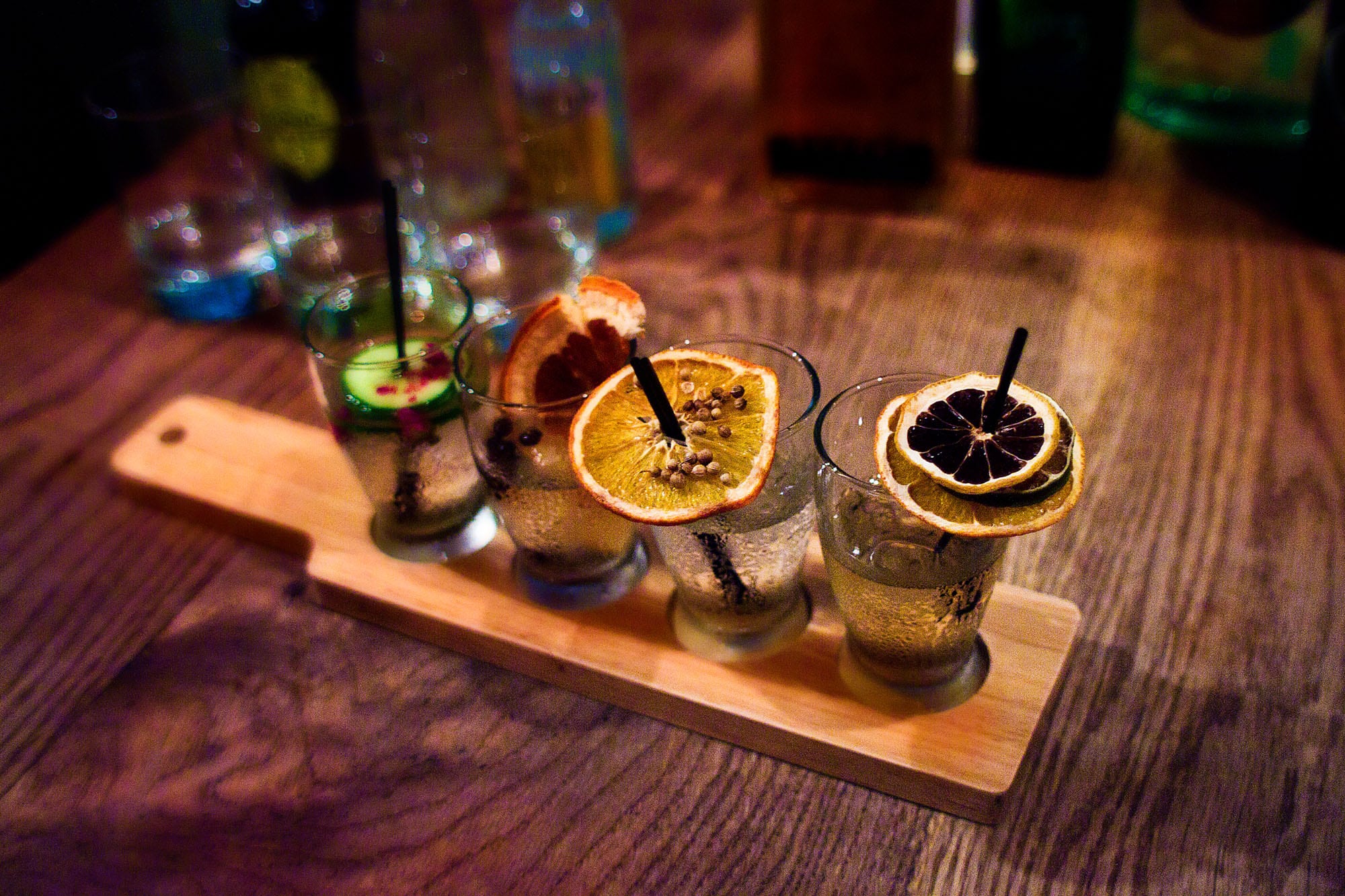
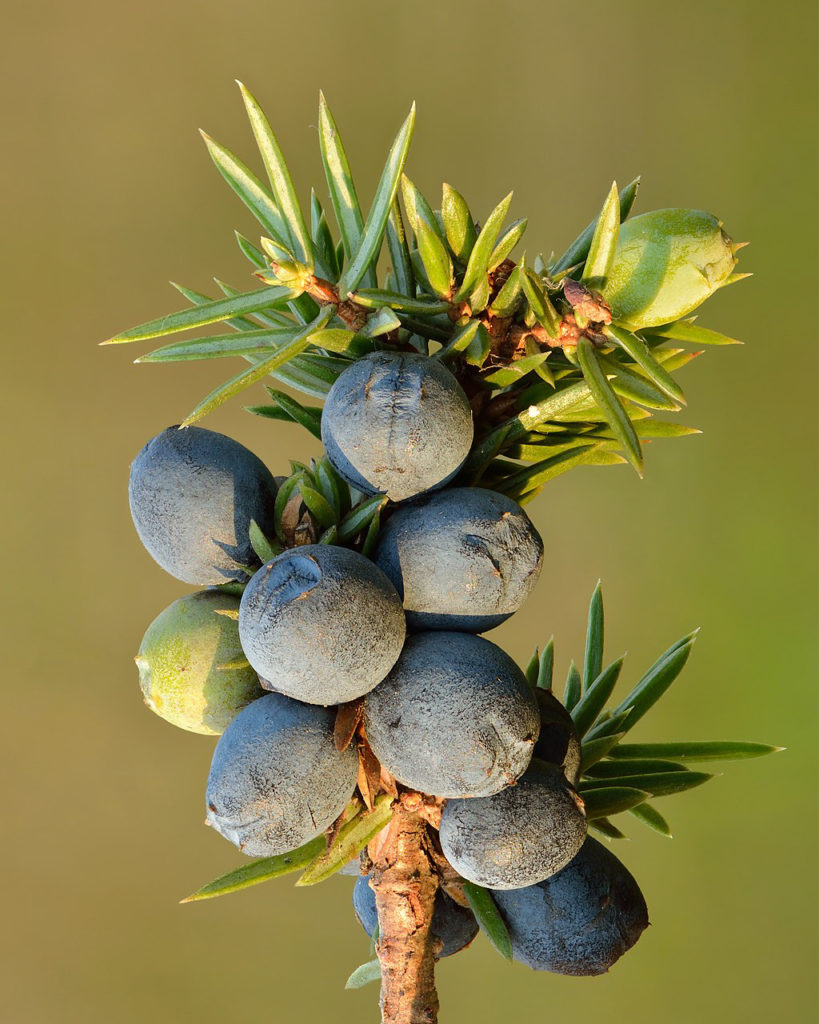
New York is one of the few places where a curious drinker can walk into a neighborhood bar and find a back shelf that reads like a travel diary. A bottle from a tiny distillery in the Scottish Highlands might sit beside a Japanese gin built on yuzu and sansho pepper, with an old navy-strength expression from England a few inches away. That kind of range changes the way you drink. Instead of ordering the same martini every time, you start paying attention to where the spirit was made, how it was distilled, what botanicals define it, and why one bottle feels precise while another feels wild.
That is what makes exploring rare spirits at a Gin Bar NYC experience worth doing properly. Rare gin is not only expensive gin, nor is it always old, collectible, or impossible to find. In practice, rarity often means limited production, unusual botanical design, scarce import distribution, seasonal release, discontinued stock, or a bottle the bar team fought to get because they believe it belongs on the shelf. If you approach that lineup with a little strategy, you can taste more clearly, spend more wisely, and leave with a much sharper sense of your own palate.
What “rare” actually means when you are standing at the bar
People tend to use the word loosely. At a serious gin-focused bar, rarity can mean several different things, and each one affects how you should order.
The first kind of rare is the small-batch bottle that never had broad distribution. You may see a craft producer from Spain, Australia, Japan, or a regional American distiller whose products rarely leave their home market. These bottles matter because they often express local botanicals that change the whole profile. A Mediterranean gin might push olive leaf, thyme, rosemary, or citrus peel. An alpine gin may carry fir, mountain herbs, and cool spice. Those details can vanish in a loud cocktail, so your first pour matters.
The second kind is the special release. Some distillers issue one-off bottlings, cask-finished experiments, vintage bottlings, or holiday releases with different botanical balances. These are often more expensive by the ounce, but they are useful if you already know the producer’s standard expression. Tasting the standard and the special side by side can teach you more in ten minutes than a month of casual drinking.
The third kind is older stock. Gin is not whiskey, so age statements are not the center of the category, but bars sometimes hold bottles that are discontinued or simply hard to find now. That can include formulas that have changed, labels that disappeared after ownership shifts, or products that left the U.S. Market. Drinking these feels less like checking off a trophy and more like tasting a snapshot in time.
The fourth kind is rare because of context rather than market scarcity. Some bottles become interesting only in the hands of an excellent bar team. A complex gin that tastes muddled in a random tonic can become brilliant in a carefully built martini, or vice versa. The rare opportunity is not just access to the liquid, it is access to people who know how to present it well.
Start with the bar itself, not the bottle
A strong gin program usually reveals itself before you order. You can tell a lot from the menu language, glassware, garnish choices, and the way the staff talks about the spirits. If every description leans on vague adjectives like smooth, premium, and handcrafted, that is a warning sign. If the menu points to origin, proof, botanical structure, or ideal serve, you are in better hands.
I have had some of the best rare gin pours in bars that did not feel flashy at all. One East Village bar had a slim menu and modest lighting, but the bartender immediately asked whether I wanted something juniper-led, citrus-bright, savory, floral, or textural. That question told me everything. It meant the team cared more about fit than display. Another place had a showpiece bottle list but could not explain why one Japanese gin should be served in a highball and another stirred down for a martini. Beautiful shelf, weak guidance.
At a Gin Bar NYC regulars trust, the best signal is often restraint. The staff should not push the priciest pour first. They should ask where your palate sits and steer you toward a bottle that makes sense. Rare spirits are too nuanced to explore through pure price hierarchy.
Learn your own gin palate before you chase prestige
A lot of wasted money in cocktail bars comes from ordering the famous bottle instead of the right bottle. Gin has more internal variety than many casual drinkers realize. If you can describe what you usually enjoy, the bartender can narrow the field fast.
Classic London dry drinkers often want structure. They look for juniper, coriander, angelica root, lemon peel, and a crisp, dry finish. If that is you, a rare bottle with too much floral perfume may seem thin or overly scented no matter how well made it is.
Some drinkers are drawn to citrus and freshness. They like bright peel oils, grapefruit, bergamot, lemongrass, or yuzu. These gins can feel lively in a simple serve, but they may lose definition in a drink with heavy vermouth or sweet modifiers.
Others lean savory. These are the people who light up when a bartender mentions olive, bay, seaweed, rosemary, basil, or green peppercorn. Savory gin can be extraordinary, especially in dirty martini variations or bracing highballs, but it is also the profile most likely to surprise people who think all gin tastes like pine and lemon.
Then there are floral and contemporary styles. Violet, chamomile, lavender, rose, hibiscus, elderflower, and cucumber can create beautiful aromatics, though they need balance. When floral notes dominate without enough backbone, the gin may smell better than it drinks.
Knowing which camp you tend to favor does not limit you. It gives you a launch point. A good bartender can then pour a rare bottle that stretches your palate without losing you entirely.
The smartest first order is often not a cocktail
If your real goal is to explore, your first move should usually be a taste, a half pour, or a simple serve. Full cocktails can come later. Rare gin is easiest to understand when there is nowhere for it to hide.
A neat pour at room temperature is the cleanest test, especially for high-proof or highly aromatic expressions. You get the nose without carbonation, citrus acid, or vermouth texture changing the picture. This is how you notice whether the juniper is resinous or fresh, whether the spice is warm or sharp, and whether the finish dries out cleanly or lingers with oilier botanicals.
That said, neat gin can feel austere if you are not used to it. A single cube or a small side of cold water opens many bottles gently. Some bars will offer a small tasting measure, which is ideal. If not, ask whether they can do a half pour. Serious spirits bars often can, even if it is not printed on the menu.
A gin and tonic, handled carefully, is the next best diagnostic tool. The key phrase there is handled carefully. Tonic can either reveal a spirit’s architecture or flatten it with excess quinine and sugar. The best bars think about tonic brand, carbonation, ice density, glass shape, and garnish as part of the recipe. I once tried the same coastal-style gin in two different serves on the same trip. In one bar it tasted salty, herbal, and bright. In another it tasted mostly bitter because the tonic overwhelmed it. Same bottle, different result.
A martini is a deeper test, but not always the right first test. Vermouth, dilution, temperature, and garnish interact with gin in subtle ways. A powerful London dry can thrive in a 2:1 or 3:1 build. A fragile botanical gin may need a freezer-cold, lower-vermouth treatment, or it may be better outside the martini format altogether. If you love martinis, tell the bartender that. Just do not assume every rare gin wants to be one.
Questions worth asking the bartender
A thoughtful question gets you farther than naming a bottle you saw on social media. The right bar team will usually meet curiosity with generosity.
- What rare gin on your shelf is drinking especially well right now?
- If I like classic juniper-forward styles, what is one bottle that would stretch me without going too floral?
- Is there a gin here that works better neat than in a cocktail?
- Do you have anything discontinued, limited, or hard to replace once it is gone?
- If you were pouring a short tasting flight for someone serious about gin, where would you start?
These questions do two things. First, they show the bartender that you want guidance rather than status. Second, they open the door to bottles that may not be highlighted on the menu. Many excellent bars have one or two sleepers that the staff loves but guests rarely notice.
How to build a tasting arc instead of randomizing your night
The biggest mistake people make is ordering styles in no particular sequence. They jump from delicate citrus gin to a high-proof navy expression, then to a floral contemporary bottling, then back to a classic martini. By the third drink, the palate is blurred and the expensive details disappear.
Think of the evening the way a chef thinks about courses. Start light, then move deeper. A bright or classic gin Gin Bar NYC with clean structure usually makes a good opener. From there, step into either savory complexity or increased proof. Save the most assertive bottles for later, especially if they carry strong spice, maritime salinity, or unusual finishing techniques.
You also do not need large pours to learn. Three small tastes tell you more than two full cocktails. That is especially true if you are comparing category edges: a textbook London dry, a new-world botanical style, and a regional expression with distinctive local ingredients. The contrast sharpens your perception.
There is also value in repeating a producer in different forms. If a bar has the distiller’s flagship bottle and a cask-finished or limited release version, try both. You begin to see what is house style and what is experiment. In whiskey bars this is common behavior. Gin deserves the same seriousness.
A practical way to order without blowing your budget
Rare spirits carry real costs, and bars have to price them accordingly. You do not need to spend recklessly to get a meaningful experience.
- Begin with one tasting pour or half pour rather than a full premium cocktail.
- Choose one classic benchmark gin for calibration if you do not already know the bar’s style.
- Ask for one rare bottle in the format the bartender thinks suits it best.
- If you want a second rare expression, make it meaningfully different from the first.
- Finish with a full cocktail only after you know which profile you enjoyed most.
This approach keeps the night educational and pleasurable. It also avoids the common trap of ordering a very expensive martini built on a gin you have never tasted, only to discover that its defining notes clash with your preferences.
Rare gin in a martini, when it works and when it does not
Martinis create a strange pressure in gin bars. They are iconic, stylish, and deeply revealing. They are also a format that can erase nuance if handled carelessly. A rare gin in a martini can be transcendent, but only under the right conditions.
A robust, juniper-led spirit with clear citrus and spice often shines in a martini because vermouth frames rather than obscures it. The drink gains tension, salinity, and length. A lemon twist can pull hidden oils to the surface. This is one reason classic styles remain so martini-friendly.
More delicate rare gins need caution. If a bottle is built around subtle tea notes, soft florals, or highly specific local botanicals, a standard dry martini spec may steamroll them. In those cases, the bartender may reduce the vermouth, change brands, alter dilution, or suggest a different serve entirely. That is not a downgrade. It is respect for the spirit.
Dirty martinis require even more judgment. Olive brine can flatter savory or herbaceous gins beautifully, especially those with rosemary, olive leaf, bay, or coastal notes. It can also bully a refined citrus gin into irrelevance. If you are exploring rarity, save the dirty format for bottles that already hint in that direction.
One of the most memorable martinis I have had in New York used a less familiar Spanish gin with green olive and thyme notes. The bartender kept the vermouth restrained, used a delicate brine, and served it colder than most bars bother to. The result tasted deliberate rather than loud. The gin still spoke. That is the benchmark.
Tonic is not neutral, and garnish is not decoration
If you order a rare gin with tonic, pay attention to the supporting cast. Tonic contributes bitterness, sweetness, acid balance, and texture. Garnish contributes aromatic lift that can either clarify or confuse what is in the glass.
A heavy-handed grapefruit wedge can dominate a subtle citrus gin. A rosemary sprig can turn a clean, crisp spirit into something almost culinary. Cucumber, often treated as a default, works beautifully with some contemporary styles and feels deadening with traditional ones. The best bars choose garnish with intention, and they should be able to explain why.
Glassware matters more than people think. A wide balloon glass amplifies aroma and suits highly perfumed or botanical gins. A highball can keep a drink tighter and more disciplined. Large, cold ice slows dilution and preserves top notes. Those details sound small until you taste the same gin built carelessly in one setting and thoughtfully in another.
This is one reason a real Gin Bar NYC destination is more than a shelf of labels. Technique shapes access. The rare bottle alone is only half the experience.
Regional styles worth noticing on a New York back bar
New York bars often give you access to a global range that would be difficult to assemble at home. That opens up regional differences worth seeking out deliberately.
British gin still provides the backbone, especially London dry and adjacent traditional styles. These usually offer the most direct lesson in juniper structure and cocktail versatility. They are not all identical. Some lean citrus, some spice, some earthy root notes, but they share a certain architectural clarity.
Spanish gin has had an enormous influence on modern gin culture, often leaning into expressive botanicals and elaborate gin and tonic service. Depending on the producer, you may find softer juniper framed by Mediterranean herbs, citrus, or savory elements. These can be broad and aromatic, sometimes almost perfumed, sometimes beautifully restrained.
Japanese gin often rewards quiet attention. Not always, but often, the focus is precision. Yuzu, sansho, sakura, gyokuro, shiso, and local citrus can create layered aromas that unfold gradually. These bottles can be exquisite in simple serves and, if overworked, a bit too delicate for aggressive cocktail templates.
Australian and Scandinavian producers frequently bring strong point of view. Native botanicals, unusual spices, and bracing herbal profiles can make these among the most distinctive bottles on the shelf. Some are brilliant, some feel experimental for experimentation’s sake. That is part of the fun, as long as the bartender helps you choose wisely.
American craft gin remains the broadest category of all. You can encounter textbook London dry tributes, soft contemporary bottlings, barrel-rested curiosities, and highly local botanical projects. New York bars are especially good places to taste this diversity because the city attracts both domestic producers and importers with unusual portfolios.
How to keep your palate honest through the night
If you are tasting multiple gins, pacing matters. Water between pours helps more than people expect. So does food, but not every food. Salty snacks can be useful. Spicy dishes and very sweet desserts can throw your palate off. Strong perfume or cologne at the table can also interfere, which sounds obvious until you sit beside it.
Temperature deserves attention too. Extremely cold serves can suppress aroma at first, then open as they warm. That is not a flaw. It is part of the experience. Give a rare pour a minute or two. Nose it before sipping, then again after dilution changes. Quite a few gins reveal their best detail after the first burst of chill fades.
If you are tasting with a friend, order differently and swap impressions. One of you may pick up root spice where the other gets lemon pith. That conversation makes you a sharper drinker. I have changed my mind more than once because someone at the table noticed a botanical I had missed entirely.
What separates expertise from snobbery at the bar
Rare spirits can attract performative behavior. The healthiest bars keep that energy in check. Staff should welcome curiosity from guests who know every category term and guests who simply know they like a good martini. A bottle’s scarcity does not guarantee pleasure. It only guarantees that the chance to taste it is less common.
The best drinkers I know are rarely the loudest about what they know. They ask specific questions, listen to the answer, and stay open to surprise. They also understand trade-offs. Some Gin Bar NYC rare gins are intellectually fascinating but not especially delicious on their own. Some are wonderful neat but poor in mixed drinks. Some are worth the premium because they offer unmistakable character. Others are scarce mainly because distribution is limited, not because the liquid is remarkable.
That distinction matters. A good bartender can help you avoid paying for the story when you really want the flavor.
Leave with more than a favorite bottle
A successful night at a gin bar does not have to end with a single winner. In many cases, the more valuable result is learning your own map. Maybe you discover that you prefer savory herbal profiles to floral ones. Maybe you realize that a navy-strength gin, when diluted correctly, gives you the intensity you had been searching for in martinis. Maybe a Japanese bottle teaches you that subtlety can be more compelling than power.
If you can leave naming not just what you liked but why you liked it, then the rare spirits did their job. They moved from luxury objects to useful reference points. The next time you walk into a Gin Bar NYC regulars recommend, you will order with confidence, ask better questions, and spot the bottles that deserve your attention before anyone else notices them.
That is the pleasure of doing this well. Rare gin stops being a trophy hunt and becomes what it should be in the first place, a sharper, more enjoyable way to drink.
The Winslow
243 E 14th St
New York, NY 10003, United States
Phone: +1 212-777-7717
FAQ About Gin Bar NYC
How to do a gin tasting?
Start with a small pour and gently smell the gin before taking a small sip. Notice its juniper, citrus, floral or spice notes, then compare how the flavor changes with a little water or tonic. At a gin bar, ask the bartender to explain the selection and botanical pairings.
How to make the best tasting gin and tonic?
Use chilled gin, fresh tonic and plenty of ice. A common starting ratio is one part gin to two parts tonic, adjusted to taste. Choose a garnish that complements the gin's botanicals and stir gently to preserve the bubbles.
What is the smoothest tasting gin?
There is no single smoothest gin for everyone. Perceived smoothness depends on the botanical recipe, alcohol strength, serving temperature and mixer. Describe whether you prefer citrus, floral, herbal or juniper-forward flavors so a bartender can suggest a suitable style.